Blog
Because Copycats Don’t Need Your Permission
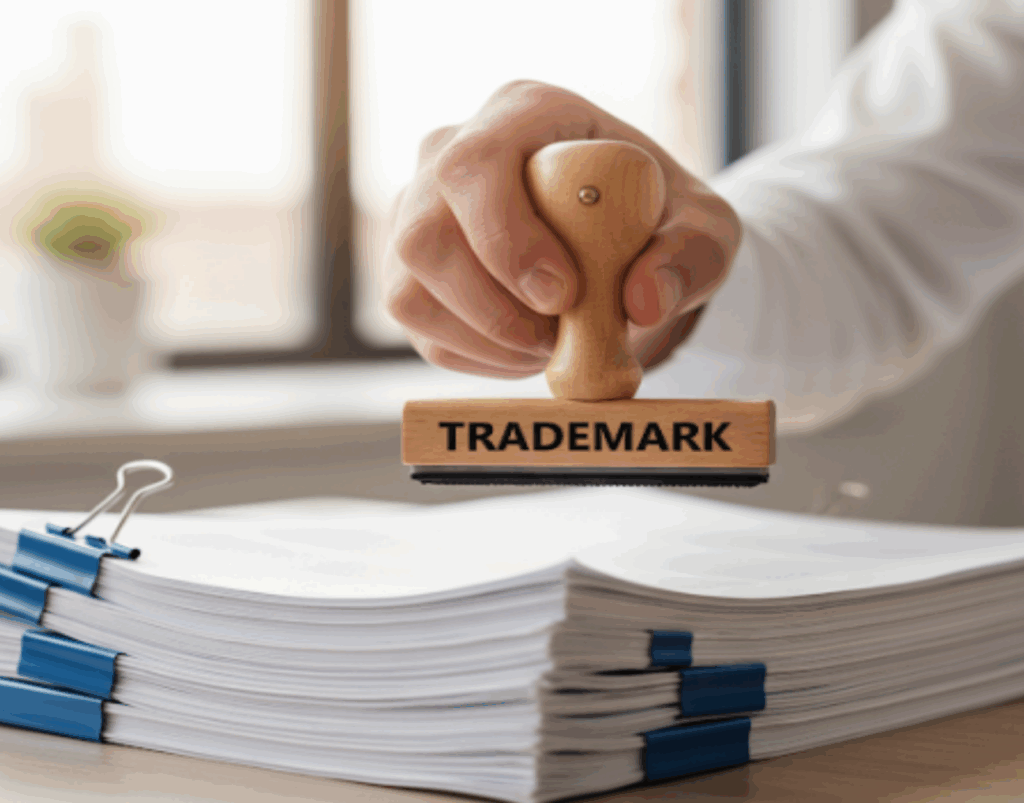
Trademark Registration in Malaysia (2025 Business Guide)
Your Brand Is Your Business
In today’s crowded marketplace, success isn’t just about having the best product or the lowest price. It’s about having a strong, recognizable identity. And identity is fragile.
Whether you sell fried chicken in Kuching, skincare in KL, or SaaS software to the world, your brand name is often the first, and most lasting, impression you make.
Yet too many Malaysian entrepreneurs still treat trademark registration as a “later” task.
That’s a costly mistake.
Without a registered trademark, your brand is wide open to theft. Someone else could legally register your name, block your growth, or worse—sell knock-offs using your brand.
Malaysia operates under a first-to-file system. That means ownership goes to the person who registers the trademark first, not the one who used it first.
Taiwanese YouTuber Andy老師 (Andy Teacher) co-founded the popular channel 眾量級 CROWD with 張家寧 in 2016. The channel amassed over 2 million subscribers and became a major business venture.
In 2020, 張家寧’s mother, 曾淑惠, quietly registered the “眾量級” trademark in her own name—without Andy’s knowledge
When the couple separated in 2024, Andy lost access to the channel and discovered he had no legal claim to the brand he helped build. He responded by filing trademark applications for “Andy老師” and “Andy Teacher” to protect his personal brand going forward.
Under Taiwan’s first-to-file trademark system, ownership belongs to whoever registers first—not necessarily the original creator. If Andy believes the registration was malicious (“抢註”), he must file a challenge (a cancellation or “評定程序”) within five years of the publication date, which in this case expires on October 16, 2025.
Lesson: Trademarks are not “optional.” They’re survival tools.
In Malaysia, just like in Taiwan, registering your trademark isn’t a mere legal step—it’s a strategic shield for your business identity, long-term value, and competitive standing.
Even if you build the business, you don’t own the brand unless you own the trademark.
Too many business owners lose everything because they delay registration, rely on handshake deals, or trust the wrong person. That’s why your trademarks must be:
- Registered early
- Registered in the right name
- Registered before partners, investors, or even family members do it for themselves


A trademark is not just a legal shield, it’s a growth asset:
- Legal Ownership: 10 years of exclusive rights (renewable).
- Copycat Defence: Sue infringers or block imports.
- Trust & Credibility: ® symbol builds customer trust.
- Franchising & Licensing: Essential for licensing and partnerships.
- Financing: Can be pledged as collateral.
- Multi-Platform Compliance: Required by banks, councils, and marketplaces.
- Global Reach: Expand abroad via the Madrid Protocol.
Pro Tip: Register across multiple Nice Classes (1–45). Don’t just cover “goods”, also protect “services” if relevant.
The Trademark Process in Malaysia (2025)
Average Timeline: 12–18 months
Step-by-Step:
- Pre-Filing Search (Optional, 1 month): Check registrability. Saves time and money.
- Application Filing: Provide owner details, high-res logo, and list of goods/services.
- Formality Check (~1 month)
- Substantive Examination (6–9 months): Registrar assesses absolute & relative grounds.
- Publication (2 months): Your mark is published for opposition.
- Opposition (if any): Third parties may object. Evidence exchange may follow.
- Registration: Certificate issued—you can now use ®.
- Renewal: Every 10 years.
Important: Use your mark. Non-use for 3 years may result in cancellation.
Costs & Service Plans (2025)
Trademark filing isn’t free—but it’s cheaper than losing your brand.
Plan | Price | Includes |
|---|---|---|
Standard | RM4,000 | Filing only. If rejected, resubmission costs RM2,000–4,000. |
Premium | RM5,000 | Filing + pre-check + discount on refile + partial refund guarantee. |
Perspective: A trademark costs about the same as one month of mid-level staff salary. But it protects your entire brand for a decade.
Strategy Tips for Filing Success
- Name Creatively: Hybrid names (e.g. Coffrica, Tokopedia) have better odds.
- Logo Advantage: Visual marks face fewer objections than plain words.
- Pre-Search: Always check for similar-sounding names (Singa vs Zinga).
- Register Components Separately: Word mark + logo = double protection.
- Think International: Use Madrid Protocol early if you export.
- Own It Correctly: Decide whether to register under an individual, company, or IP-holding entity.

Key Takeaways (2025)
File Early
First-to-file wins. Delay = danger.
Be Distinctive
Avoid generic/descriptive words.
Do Searches
Pre-filing checks save years.
Cover Multiple Classes
Don’t leave openings for rivals.
Expand Globally
Register overseas if you plan to grow.
Use It or Lose It
Non-use = cancellation risk.
See Trademarks as Assets
Adds value for licensing, franchising, and resale.

You’ve Protected the Name, Now Build the Brand!
Branding Beyond Registration
Registering a trademark protects your name—but building a brand gives it meaning. Here’s how to do both.
- Build Your Brand Before You Launch, Not After
Branding isn’t a luxury for later—it’s the foundation you build on from Day 1.
- Create a Mood Board: Define your brand’s colours, tone, and packaging style before you go to market. This sets the visual direction from the start.
- Don’t Cut Corners: If you’re aiming for real growth, regional or global, skip the free AI mockups and low-budget logos. Invest in professional branding that can last 10–15 years.
- Be Consistent: Use the same tone, colours, fonts, and voice across your website, packaging, social media, and ads. Repetition builds recognition.
Tip: A confused brand doesn’t get remembered. A consistent one does.
- Set a Real Brand Vision, Not Just “No.1 in Sales”
Consumers don’t care about your revenue targets. They care about how your brand fits into their lives.
- Anchor your vision in real-life benefits: What problem do you solve? How do you make your customer’s day better?
- Define your audience clearly: Think beyond age. Understand their lifestyle, habits, and aspirations.
- Dig deeper into motivations: Why do they behave this way? For example:
“Working moms cook daily not just for nutrition, but out of love, and guilt. Your brand can support that intention.”
Example Vision:
“Empower working moms over 30 to cook nutritious meals with ease—using Omega-3/6-rich, cholesterol-free oil that shows care without compromise.”
 Emotional wins over functional. Loyalty comes from meaning, not just features.
- Why Brand and Promote? Because Competition Exists
If Petronas were the only fuel company, branding wouldn’t matter. But in competitive markets, brand is what differentiates and persuades.
- Emotions drive purchase decisions—not specs. Think of Nike’s Just Do It vs. any generic running shoe.
- Consistency = Trust: Western and Japanese brands don’t win in Malaysia just because they’re foreign. They win because they deliver on-brand value every time.
- Local Brands Can Compete: The edge isn’t just product quality. It’s IP protection + emotional resonance + service experience.
Your brand must stand for more than your product; it must stand for something your customer believes in.
Final Word
Protect the Name. Build the Brand.
A trademark can outlive your product, staff—even you. From Coca-Cola (1886) to Grab (2025), the world’s most iconic businesses were built on names they owned and protected.
But a trademark only guards the legal shell of your business. Your brand is its soul.
- Trademarks protect your rights.
- Branding builds emotional connection.
- Together, they turn your business into an asset with real staying power.
The strongest companies in 2025 will have both: Ironclad legal rights and a vision customer actually believe in.
 Secure your name. Strengthen your brand. Scale with confidence.
____________________
About the Author
Hi! I’m Esther Tang, a business lawyer based in Sarawak and Kuala Lumpur. I help entrepreneurs, startups, and established businesses navigate Malaysia’s legal landscape, especially when it comes to protecting what matters most: your brand.
Whether you’re:
- Launching a new product,
- Expanding into franchising,
- Fighting off copycats, or
- Preparing your business for funding or export.
I work with business owners to:
- Register trademarks in Malaysia and abroad
- Structure brand ownership between founders, companies, or IP-holding entities
- Prevent internal disputes over brand rights
- Protect trade secrets with NDAs and enforceable agreements
My mission? To help you own your brand with confidence, and protect it from Day 1—so your growth doesn’t come with legal regrets later.
____________________
Get in Touch
Need help registering your trademark or planning brand protection?
Let’s secure your brand before someone else does.
 Email: esther@etsylaw.com
 Website: www.etsylaw.com
 Offices in Sarawak & Kuala Lumpur
© 2025 SY Tang & Co Advocates. All rights reserved.
Disclaimer: This article is shared for general information only. It’s meant to help you understand the law better, not to give you advice on your specific situation. Laws change, and how they apply depends on your unique circumstances.
Reading this article does not create a lawyer–client relationship with our firm. If you need advice on your particular case, please reach out to a qualified lawyer who can look at the details and guide you properly.